
In the quest for healthier living conditions, the role of clean water tanks cannot be underestimated. The impact of neglected maintenance on water quality and health is a pressing concern that requires attention. By enhancing our understanding of the importance of clean water tanks, we can take proactive steps towards revitalising health and ensuring a sustainable water supply. The journey to improved health begins with a simple yet crucial step – ensuring our water tanks remain clean and safe.
Key Takeaways
- Regular tank cleaning prevents waterborne diseases.
- Ensures safe, high-quality drinking water.
- Promotes health by removing contaminants.
- Professional services guarantee thorough cleaning.
- Enhances well-being through sustainable living.
Importance of Clean Water Tanks
The significance of maintaining clean water tanks lies in their pivotal role in promoting environmental sustainability and ensuring a safe and reliable water supply for households and businesses. Clean water tanks contribute to enhancing water quality, reducing the risk of waterborne diseases, and safeguarding household safety.
Proactive maintenance of water tanks supports eco-friendly choices and extends the lifespan of the tanks. By preventing contamination and ensuring safe drinking water, clean water tanks play a crucial role in supporting health benefits and a sustainable lifestyle.
Regular monitoring, debris removal, and compliance with health and safety regulations are essential practices to guarantee clean water tanks that provide pure and refreshing water for various uses, ultimately benefiting both the environment and human health.
Safeguarding Health Through Clean Tanks
Safeguarding health through the maintenance of clean water tanks is a critical practice in ensuring the safety and well-being of individuals and communities. When it comes to health benefits, clean water tanks play a crucial role in providing safe and pure water for consumption and daily activities. Here are some key points to consider:
- Health Benefits:
- Clean water tanks prioritise cleanliness to prevent health risks.
- Regular tank cleaning is essential to prevent waterborne diseases.
- Well-maintained tanks lead to a healthier living environment.
- Neglecting maintenance can result in the accumulation of harmful contaminants.
Preventing Waterborne Diseases
Preventing waterborne diseases necessitates diligent maintenance of water tanks to mitigate the risk of harmful bacterial and algae contamination. Effective prevention of waterborne diseases is essential to safeguard public health.
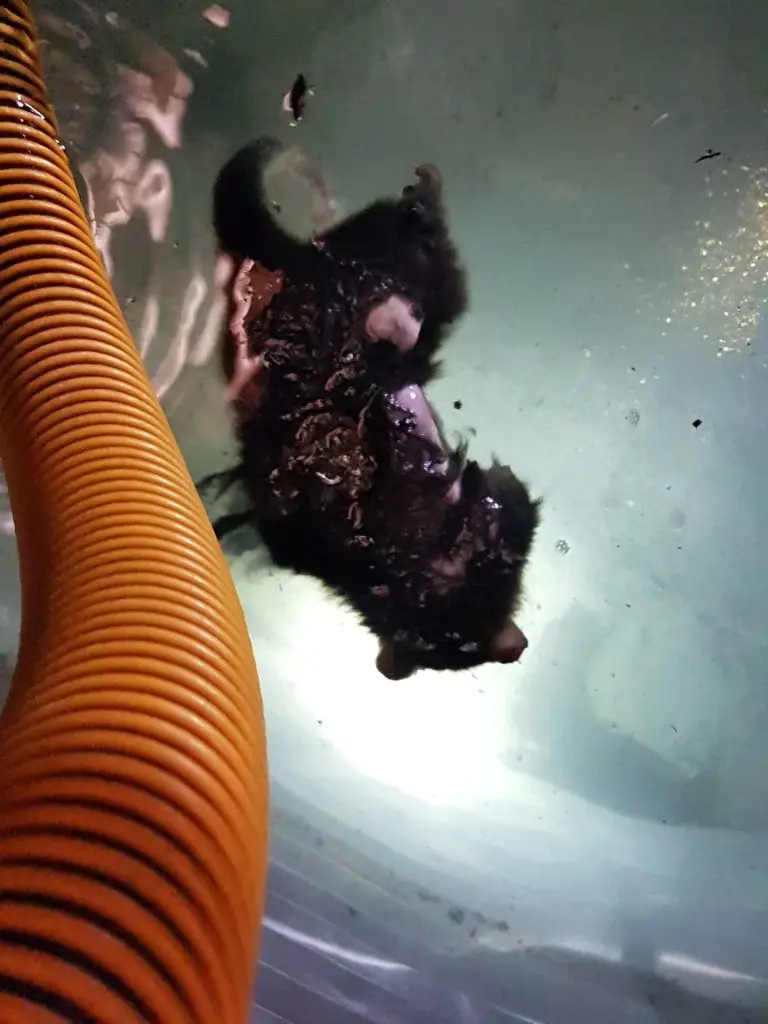
Stagnant water in tanks can serve as a breeding ground for pathogens, leading to severe health risks if consumed. Regular tank cleaning is a vital step in preventing water contamination, ensuring that the water remains safe for consumption.
Neglecting this maintenance can result in the accumulation of harmful contaminants, impacting both the taste and safety of the water. By prioritising the cleanliness of water tanks and implementing regular maintenance practices, individuals can significantly reduce the likelihood of waterborne diseases and promote a healthier living environment.
Ensuring Safe Drinking Water
Maintaining clean water tanks is essential to ensure the provision of safe drinking water for both residential and commercial purposes.
Ensuring water quality and health benefits are paramount in maintaining clean water tanks:
- Water Quality: Clean water tanks prevent contamination and ensure high water quality standards.
- Health Benefits: Safe drinking water from clean tanks promotes well-being and prevents waterborne diseases.
- Regular Maintenance: Consistent cleaning and sanitisation of tanks remove potential contaminants, ensuring safe consumption.
- Professional Services: Utilising expert water tank cleaning services guarantees thorough cleaning, compliance with standards, and peace of mind regarding water purity.
Benefits of Regular Tank Maintenance
To uphold the integrity of clean water tanks and ensure the provision of safe drinking water, emphasising the benefits of regular tank maintenance is imperative.
Improved hygiene is a key advantage of consistent tank upkeep. Regular maintenance prevents the buildup of contaminants, sediment, and bacteria that can compromise water quality and pose health risks.
Additionally, implementing a routine maintenance schedule can lead to cost-effective solutions in the long run. By addressing minor issues promptly through regular inspections and cleaning, major problems and costly repairs can be avoided.
Prioritising regular tank maintenance not only enhances water quality and safety but also contributes to a sustainable and healthy living environment for households and businesses alike.
Professional Tank Cleaning Services
Professional water tank cleaning services provide essential expertise and advanced techniques to ensure thorough maintenance and optimal water quality for households and businesses.
Benefits of Professional Tank Cleaning Services:
- Specialised Equipment:
Utilisation of advanced tools for efficient cleaning. - Expert Cleaning:
Trained professionals ensure thorough removal of contaminants. - Compliance:
Adherence to industry standards for tank hygiene and safety. - Prevention of Cross-Contamination:
Minimising the risk of pollutants entering the water supply.
Maintenance Practices for Clean Tanks
A key aspect in ensuring the cleanliness and integrity of water tanks involves implementing meticulous maintenance practices that uphold water quality standards and prevent potential health hazards.
Cleaning techniques play a vital role in maintaining clean tanks, requiring regular cleaning and disinfection schedules to remove contaminants. Debris removal is equally crucial, as sediments and debris in tanks can affect water taste and pose health risks.
Inspection for leaks or damages, monitoring water quality parameters, and repairing or replacing faulty components are essential maintenance practices.
Frequently Asked Questions
How Often Should Water Tank Inspections Be Conducted?
Regular water tank inspections, as part of a maintenance schedule, are crucial for ensuring water quality and mitigating health risks. Inspection frequency should align with guidelines, typically every 6-12 months, to detect issues early and maintain safe water supply.
Can Rainwater Tanks Be Used for Drinking Without Treatment?
Rainwater quality varies, posing potential health risks if untreated. While some regions may have safe rainwater, treatment ensures purity. Hyperbolically, trusting untreated rainwater for drinking without verification is akin to playing Russian roulette with health.
What Are the Common Signs of Contaminated Water in Tanks?
Common signs of contaminated water in tanks include foul odor, discoloration, presence of algae or mold, sudden increase in waterborne diseases, and reduced water flow. Regular monitoring and maintenance are crucial to prevent health risks.
Is It Necessary to Empty the Tank Completely for Cleaning?
Partial emptying of a water tank is necessary for effective cleaning. It allows thorough disinfection, removal of sediment buildup, and inspection of tank conditions. This practice ensures optimal water quality, prevents contamination, and promotes a safe water supply.
Are There Eco-Friendly Cleaning Solutions for Water Tanks?
When considering eco-friendly cleaning solutions for water tanks, opting for biodegradable cleaning agents like vinegar or hydrogen peroxide can be sustainable practices. These green alternatives ensure effective cleaning while minimising environmental impact.
Conclusion
In conclusion, maintaining clean water tanks is essential for revitalising health and ensuring a safe water supply. Neglecting tank maintenance can lead to harmful contaminants and bacterial growth, impacting the taste and safety of water.
By prioritising regular cleaning and maintenance, we can prevent waterborne diseases and promote a healthier living environment for all.
Just as a well-oiled machine runs smoothly, clean water tanks function optimally to support our health and well-being.