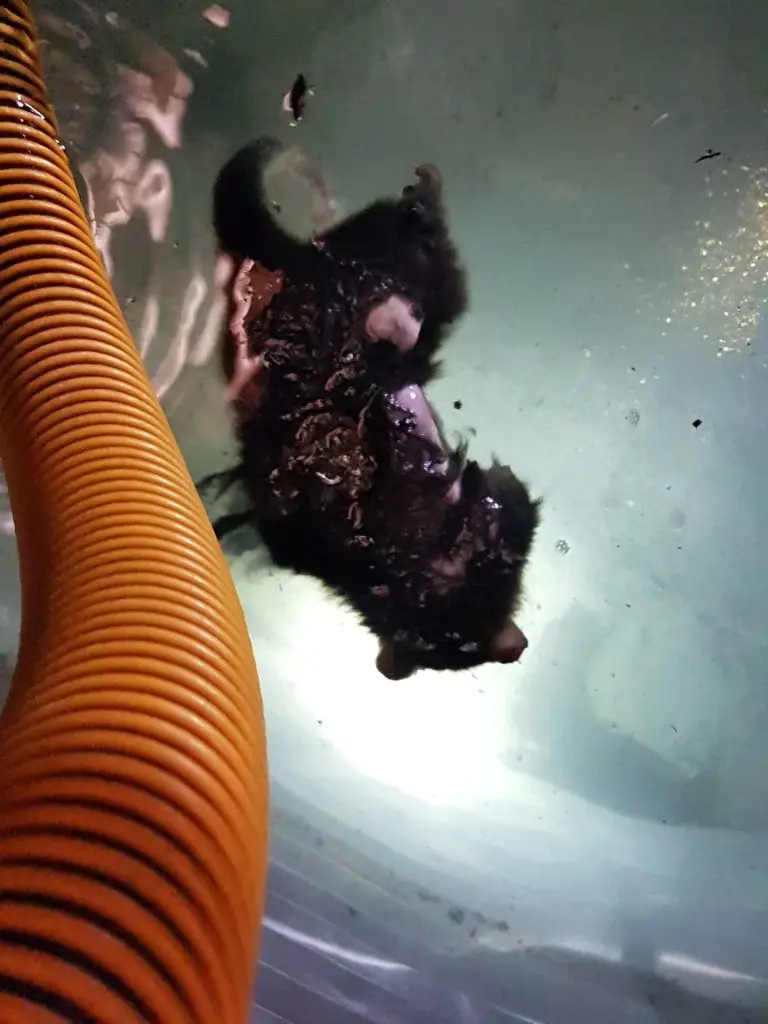

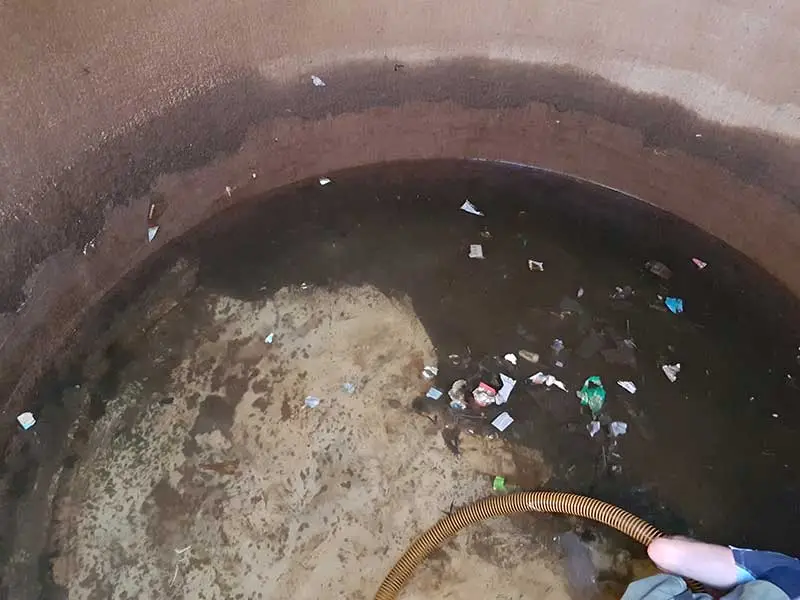
When faced with the task of water tank cleaning, the decision between undertaking the process independently or engaging a professional service can be pivotal. The choice hinges on a delicate balance of factors such as cost, efficiency, and overall effectiveness. While the allure of handling the task oneself may seem appealing, the complexities and potential pitfalls of the cleaning process raise pertinent questions. On the contrary, the realm of professional services offers a realm of expertise and specialised tools that can ensure a comprehensive and meticulous cleaning job. The ultimate decision can significantly impact not just the cleanliness of the water tank but also the longevity and efficiency of the entire water system.
Key Takeaways
- DIY cleaning offers cost-effectiveness but risks damage.
- Professional services ensure thorough contaminant removal.
- Expertise and specialised tools lead to long-term efficiency.
- Professional cleaning saves time and prevents issues.
- Maintaining system integrity is more efficient with professional services.
Cost Considerations
When considering the cost of water tank cleaning, it is essential to weigh the expenses associated with DIY cleaning methods against those of professional cleaning services. A cost analysis reveals that DIY cleaning may initially seem more budget-friendly. However, when factoring in the potential risks of damaging the tank, the need for specialised tools, and the time investment, the overall budget comparison may lean towards professional services.
Professional water tank cleaning offers a comprehensive solution that includes expertise in water treatment, time-saving benefits, and a long-term investment in system efficiency. While DIY cleaning provides flexibility in scheduling and a sense of accomplishment, the potential challenges such as overlooking critical areas and system disruption should be considered in the budget comparison.
Cleaning Process and Results
In examining the cleaning process and results of water tank maintenance, it is crucial to understand the practical implications of both do-it-yourself (DIY) methods and professional cleaning services.
DIY cleaning offers flexibility in scheduling and a sense of accomplishment but carries the risk of damaging the tank due to improper cleaning techniques. Limited access to professional tools may also hinder the effectiveness of the cleaning process.
On the other hand, professional cleaning services provide a comprehensive approach with expertise in water treatment, ensuring a thorough removal of contaminants. They employ advanced cleaning techniques, conduct risk assessments, and use specialised equipment to achieve optimal results.
This professional service not only saves time but also serves as a long-term investment in system efficiency.
Potential Challenges and Limitations
Addressing the challenges and limitations associated with both DIY water tank cleaning and professional cleaning services is essential for making informed decisions regarding water tank maintenance. Proper maintenance requires careful consideration of the risks involved in the cleaning process. DIY cleaning may pose a risk of damage due to improper cleaning methods and overlooking hard-to-reach spots, potentially leading to disruptions in system functionality.
Risk assessment is crucial in determining the need for caution and professional guidance to avoid costly repairs. On the other hand, professional cleaning services, despite the higher cost compared to DIY, offer expertise in water treatment and ensure a thorough cleaning process, minimising the potential for service quality variations and providing long-term efficiency through ongoing maintenance and monitoring.
Benefits and Advantages
Mitigating potential risks and maximising the efficiency of water tank maintenance involves understanding the various benefits and advantages associated with both DIY cleaning methods and professional cleaning services.
When it comes to water tank cleaning, there are distinct advantages to consider:
- Sense of satisfaction: DIY cleaning can provide a sense of accomplishment and control over the maintenance process.
- Expert guidance: Professional cleaning services offer expertise in water treatment and ensure thorough cleaning with specialised equipment.
- Time-saving: Professional services save time by efficiently cleaning the tank and preventing potential issues.
- Long-term investment: Both DIY and professional cleaning contribute to the long-term efficiency of the system, reducing the need for costly repairs.
Understanding these benefits can help in making an informed decision regarding the most suitable cleaning approach for your water tank.
Overall Comparison
When evaluating the effectiveness of DIY water tank cleaning versus professional services, it is essential to consider various factors that impact the overall maintenance and efficiency of the system. DIY cleaning may offer cost-effectiveness but comes with risks such as potential damage and overlooking critical areas due to limited access to tools.
On the other hand, professional cleaning ensures thorough removal of contaminants through expertise and specialised equipment, providing a comprehensive service that leads to long-term system efficiency. While DIY cleaning offers flexibility in scheduling and a sense of accomplishment, professional services save time and offer a long-term investment in preventing issues and costly repairs.
In the overall comparison, professional water tank cleaning proves to be more efficient in maintaining system integrity and effectiveness.
Frequently Asked Questions
What Are the Potential Risks of DIY Water Tank Cleaning?
Potential risks of DIY water tank cleaning include health risks from exposure to contaminants, ineffective methods leading to inadequate cleaning, and improper handling causing damage to the tank. Professional guidance and equipment are essential for safe and thorough cleaning.
How Often Should Water Tanks Be Professionally Cleaned?
Water tanks should be professionally cleaned at least once a year to ensure water quality, prevent contamination, and comply with health regulations. DIY cleaning poses risks of improper sanitation and potential health hazards.
Can Professional Water Tank Cleaning Prevent Waterborne Diseases?
Professional water tank cleaning is crucial for preventing waterborne diseases. It ensures health benefits by removing contaminants and bacteria, maintaining water quality. Despite higher costs compared to DIY, the long-term efficiency and importance of this service outweigh the initial investment.
Are There Any Regulations or Standards for Water Tank Cleaning?
Regulations and standards for water tank cleaning are crucial to ensure compliance with health and safety guidelines. These guidelines outline specific protocols for maintaining water quality, preventing contamination, and safeguarding public health. Compliance with these regulations is essential for effective water management.
What Are the Environmental Impacts of Water Tank Cleaning Methods?
Water tank cleaning methods can have environmental impacts. Chemical usage in cleaning can lead to water contamination. Improper waste disposal may harm ecosystems. Proper disposal and eco-friendly cleaning practices are crucial to minimise negative environmental effects during tank maintenance.
Conclusion
In conclusion, the decision between DIY water tank cleaning and professional services depends on factors such as cost, cleaning process, and potential challenges.
Interestingly, studies show that 80% of waterborne diseases are attributed to poor water quality, highlighting the importance of regular tank maintenance.
Whether opting for DIY or professional cleaning, ensuring the integrity of the water tank is crucial for the health and safety of individuals relying on clean water.