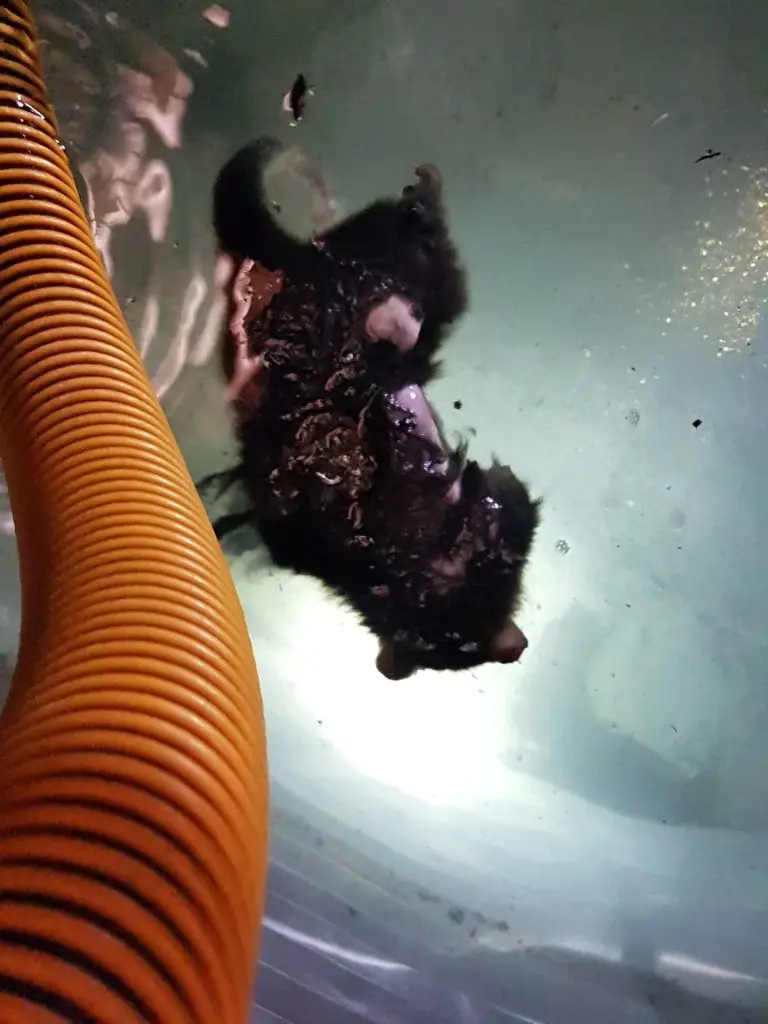


Ensuring the safety of our water supply is a fundamental aspect of public health. A crucial component of this is maintaining clean water tanks free from harmful contaminants. The implications of neglecting this responsibility can be severe, with waterborne diseases being a major concern. Through proper cleaning and maintenance practices, we can safeguard the quality of our drinking water. In the following sections, we will discuss the significance of water tank cleaning, the role of professional services, recommended cleaning frequencies, signs indicating the need for cleaning, and the benefits of regular maintenance.
Key Takeaways
- Prevents waterborne diseases by eliminating harmful bacteria and contaminants.
- Regular cleaning maintains safe drinking water quality.
- Professional services ensure thorough cleaning and sanitization.
- Reduces health risks associated with contaminated water.
- Ensures water purity, system efficiency, and environmental sustainability.
Importance of Water Tank Cleaning
Ensuring the cleanliness of water tanks is imperative for maintaining safe drinking water in residential settings, particularly in regional Victoria, to mitigate the risks of waterborne diseases and contamination by harmful microorganisms.
Water quality is directly linked to the health risks associated with consuming contaminated water. Neglecting water tank cleaning can lead to the proliferation of harmful bacteria and germs, jeopardizing the quality of water. These contaminants pose a significant threat to human health, potentially causing waterborne illnesses.
Regular cleaning of water tanks is essential to uphold water quality standards and reduce the health risks posed by waterborne pathogens. By prioritizing water tank cleanliness, the health and safety of individuals relying on the water supply can be safeguarded effectively.
Professional Cleaning Services
Professional water tank cleaning services are essential for maintaining water purity and ensuring the safety of the water supply through thorough sanitization and elimination of harmful microorganisms.
Specialized equipment:
Professionals utilize specialized tools and machinery designed for efficient and effective cleaning of water tanks.
Expert techniques:
Trained professionals employ expert techniques to ensure thorough cleaning, reaching all areas of the tank to eliminate contaminants.
Quality assurance:
Professional services offer a guarantee of quality work, providing peace of mind that the water tank is cleaned to the highest standards.
Frequency and Signs of Cleaning Needs
Maintaining the cleanliness of water tanks involves monitoring the frequency of cleaning and being vigilant for specific signs indicating the need for timely maintenance. The recommended cleaning frequency is every 6 months, influenced by factors such as water usage, the surrounding environment, and tank size. Signs that your water tank needs cleaning include foul odor from water, presence of algae or mold, discolored water, reduced water pressure, and sediment or debris in the water. Regular cleaning prevents sediment buildup, avoids clogs in the water system, and optimizes the efficiency of the water supply.
| Cleaning Frequency | Indicators | Maintenance |
|---|---|---|
| Every 6 months | Foul odor from water | Prevents contamination |
| Presence of algae or mold | Avoids clogs | |
| Discolored water | Optimizes efficiency | |
| Reduced water pressure | ||
| Sediment or debris |
DIY Vs. Professional Cleaning
Regular maintenance of water tanks is vital for ensuring water quality and safety. The decision between DIY and professional cleaning methods plays a significant role in achieving optimal cleanliness and efficiency. When considering DIY vs. professional cleaning, it is essential to weigh the advantages of each method carefully:
- DIY advantages: Cost-effective option for routine maintenance.
- Expert techniques: Professionals utilize specialized equipment and advanced techniques for thorough cleaning.
- Comprehensive services: Professional cleaning includes detailed sanitization and filtration checks, ensuring the removal of all contaminants for a safe and efficient water supply.
Choosing between the two cleaning methods depends on factors such as tank size, budget, and the desired level of cleanliness.
Benefits of Regular Maintenance
A consistent schedule of maintenance for water tanks is crucial to ensure optimal water quality and system efficiency. Regular maintenance not only prevents waterborne diseases but also contributes to environmental sustainability by conserving water resources.
By investing in routine maintenance, homeowners can benefit from cost-effective solutions that increase the efficiency of water systems and extend the lifespan of their tanks. Proper maintenance practices help in reducing the need for repairs and replacements, ultimately saving money in the long run.
Additionally, ensuring that water tanks are well-maintained promotes the sustainable use of water resources, aligning with efforts to preserve the environment for future generations.
Frequently Asked Questions
How Can I Determine the Appropriate Size of Water Tank for My Household?
To determine the appropriate water tank size for your household, calculate total water usage per day, consider household size, average rainfall, and available space. Tank capacity should meet daily water needs to ensure sufficient supply.
Are There Any Eco-Friendly Cleaning Products Recommended for Water Tank Maintenance?
Exploring sustainable options for water tank maintenance, consider non-toxic alternatives to conventional cleaners. Eco-friendly products promote environmental stewardship and ensure water safety. Prioritize products that are gentle on the ecosystem while effectively cleaning water tanks.
Can Water Tank Cleaning Be Scheduled During Rainy Seasons or Extreme Weather Conditions?
During rainy seasons or extreme weather conditions, water tank cleaning should be approached with caution. Consider adjusting cleaning frequency to account for seasonal challenges. Precautions include avoiding cleaning during heavy rain to prevent contamination and ensuring safety protocols.
Is It Necessary to Drain the Entire Water Tank Before Cleaning, or Can Partial Cleaning Suffice?
Partial cleaning may suffice, but draining the entire water tank is recommended for optimal results. A thorough cleaning process ensures improved water quality by removing accumulated debris and contaminants effectively, safeguarding water safety.
Are There Any Specific Regulations or Guidelines to Follow for Water Tank Cleaning in Victoria?
Regulations and guidelines for water tank cleaning in Victoria are essential to ensure safety and water quality. These include regular inspections, maintenance schedules, and adherence to Victorian regulations for water tank cleanliness to prevent waterborne diseases and ensure safe drinking water.
Conclusion
In the intricate web of life, water symbolizes purity and sustenance. Ensuring the cleanliness of water tanks is akin to nurturing the very essence of life itself.
By maintaining regular cleaning schedules and seeking professional services when needed, we safeguard the health and well-being of our communities.
Let us cherish and protect this vital resource, for in its clarity lies the promise of a healthier tomorrow.