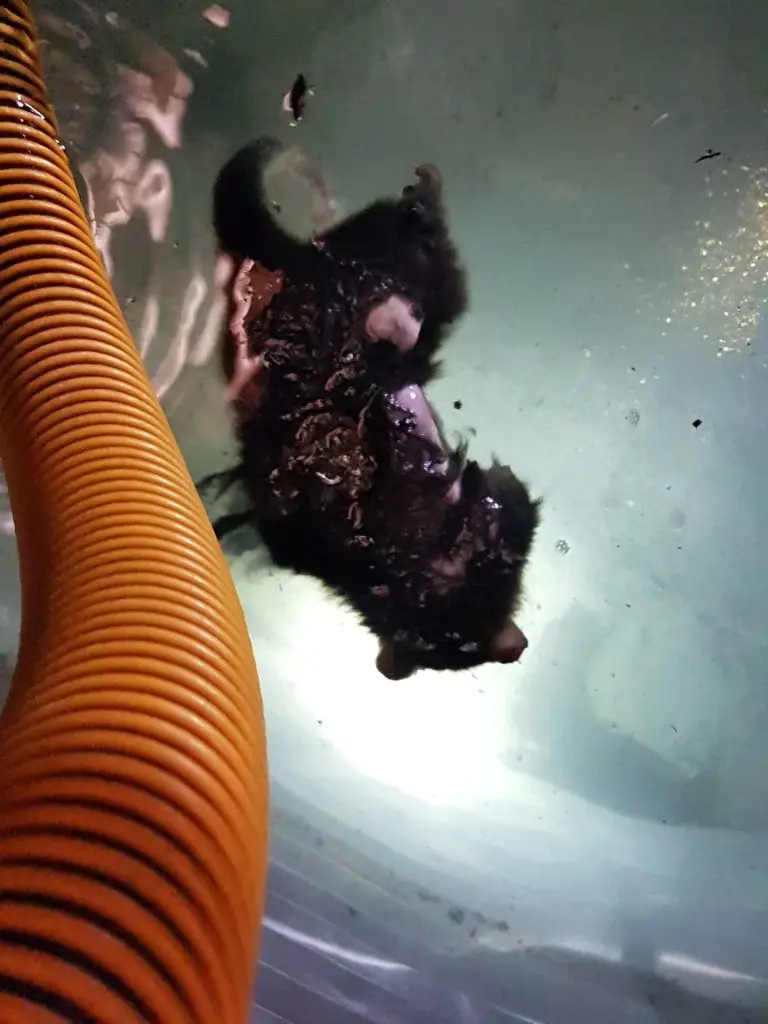


Maximising the efficiency of your rainwater tank involves a strategic approach encompassing factors like selection, installation, and maintenance. By carefully considering your household’s water needs and implementing tailored usage strategies, you can harness the full potential of your tank while promoting sustainable practices. From optimising capacity to ensuring water quality, every step plays a vital role in enhancing the functionality and longevity of your rainwater harvesting system. Stay tuned to discover expert insights and practical tips on how to make the most of your rainwater tank and contribute towards a greener tomorrow.
Key Takeaways
- Implement flow restrictors for efficient water pressure management.
- Divert rainwater to non-potable uses like gardening to maximise utility.
- Regularly clean tanks to prevent sediment buildup and contamination.
- Consider professional cleaning for thorough maintenance periodically.
- Monitor tank for issues like low pressure, odd taste, or algae growth.
Tank Selection Tips
Choosing the right rainwater tank involves assessing capacity, material, and shape to meet specific water usage needs effectively.
Capacity considerations are vital; opt for a smaller tank for basic household needs or a larger tank for extensive water usage like gardens.
Material options include polyethylene, concrete, or steel, each with its advantages in durability and maintenance.
When considering shape selection, remember that slimline tanks are space-efficient for narrow areas, while round tanks offer more volume capacity.
Align the tank sise with household needs to ensure optimal water supply and conservation.
Installation and Maintenance Guide
For optimal performance and longevity of your rainwater tank, ensuring proper installation and regular maintenance is essential. It is crucial to establish a solid base, secure fittings, and regularly clean gutters to prevent issues. Here is a table summarising key installation and maintenance guidelines:
| Installation | Maintenance |
|---|---|
| Base preparation | Gutter cleaning |
| Fitting security | Water diversion |
Following these steps will help prevent potential problems and ensure your rainwater tank operates efficiently for an extended period. Regular maintenance, including gutter cleaning and water diversion, is vital for maximising the benefits of rainwater harvesting while promoting sustainable water usage practices.
Effective Water Usage Strategies
To maximise the efficiency of your rainwater tank, implementing effective water usage strategies is essential. Water conservation and sustainable living are key aspects to consider when utilising rainwater.
Installing a flow restrictor helps manage water pressure and consumption efficiently. By diverting rainwater to non-drinking purposes like gardening or laundry, you not only conserve resources but also reduce reliance on mains water, promoting sustainable living.
These measures not only contribute to water conservation efforts but also align with a greener and more sustainable lifestyle. By incorporating these strategies, you can make the most of your rainwater tank while promoting responsible water usage practices for long-term environmental benefits.
Tank Maintenance Best Practices
Proper maintenance of your rainwater tank is essential to ensure optimal performance and longevity. Utilise effective cleaning techniques to prevent sediment buildup and maintain water quality.
Regularly inspect the tank for algae growth and implement prevention methods to avoid contamination. Consider periodic professional cleaning to ensure thorough maintenance and optimal water quality.
By proactively addressing these maintenance tasks, you can prolong the lifespan of your rainwater tank and continue to benefit from sustainable water usage. Remember, a well-maintained tank not only provides clean water but also contributes to environmental conservation efforts.
Stay vigilant in caring for your rainwater tank to enjoy its advantages for years to come.
Troubleshooting Common Tank Issues
Maintaining the functionality of your rainwater tank involves promptly addressing common issues that may arise to ensure continued efficiency and water quality. Keep an eye out for problems such as low water pressure, which can indicate blockages in the system or a failing pump.
Additionally, unusual taste and odor in the water may signal contamination or bacterial growth within the tank. Regularly inspecting the tank, especially after heavy rainfall, can help identify these issues early. If problems persist, consider consulting professionals for expert assistance.
Addressing these concerns promptly will help maintain optimal water quality and ensure the efficient operation of your rainwater harvesting system.
Frequently Asked Questions
Can I Connect Multiple Rainwater Tanks Together for Increased Capacity?
Connecting multiple rainwater tanks increases total capacity, allowing for enhanced rainwater collection. Properly linked tanks optimise efficiency by maximising storage potential. Ensure secure connections, regular maintenance, and consider overflow management to utilise multiple tanks effectively for sustainable water usage.
What Is the Best Way to Filter Rainwater for Drinking Purposes?
When considering water purification for drinking purposes, utilising a multi-stage filtration system is recommended. This approach effectively removes contaminants present in rainwater, ensuring safe consumption. Regularly monitor and replace filters to maintain optimal filtration performance.
How Can I Prevent Mosquitoes From Breeding in My Rainwater Tank?
To prevent mosquitoes from breeding in your rainwater tank, ensure proper tank maintenance by sealing all openings, installing mosquito screens, and adding larvicide. Regularly inspect and clean the tank to maintain water quality and prevent insect infestation.
Is It Possible to Integrate a Rainwater Tank Into an Existing Irrigation System?
“Bringing a rainwater tank into an existing irrigation system is akin to hitting two birds with one stone. Enhance irrigation efficiency by seamlessly integrating the tank, optimising water resources, and promoting sustainable practices for long-term benefits.”
What Are the Regulations Around Using Rainwater for Drinking in My Area?
When considering using rainwater for drinking, it is essential to understand local regulations governing water quality. These regulations aim to safeguard against health risks posed by contaminants. Complying with guidelines ensures safe consumption and optimal water quality.
Conclusion
In conclusion, while rainwater tanks offer a sustainable water solution, it is essential to prioritise proper maintenance and water usage strategies to maximise their efficiency.
Neglecting these crucial aspects can lead to potential issues and hinder the tank’s performance.
Remember, the key to getting the most from your rainwater tank lies in consistent care and smart water management practices.
Stay vigilant and proactive to ensure a reliable water supply and contribute to environmental sustainability.