

Ensuring the optimal functionality of rainwater tanks requires a meticulous approach to maintenance. From routine inspections to tailored cleaning and disinfection processes, the upkeep of these systems is paramount for sustainable water utilisation. However, the true key to reaping the full benefits lies not just in regular checks but in strategic maintenance strategies that go beyond the basics. By implementing advanced techniques such as proactive filtration methods and innovative conservation practices, a whole new realm of possibilities opens up for maximising the advantages of rainwater harvesting.
Key Takeaways
- Regularly inspect, clean, and disinfect to preserve water quality and prevent structural issues.
- Install quality gutter guards for optimal water flow and to prevent debris from entering the tank.
- Implement mosquito control measures with mesh coverings to prevent contamination and ensure safe water.
- Maintain roof and gutters to reduce debris accumulation and extend the life of the rainwater system.
- Enhance tank performance by replacing filters, conserving water, and using rainwater for non-potable purposes.
Importance of Regular Tank Maintenance
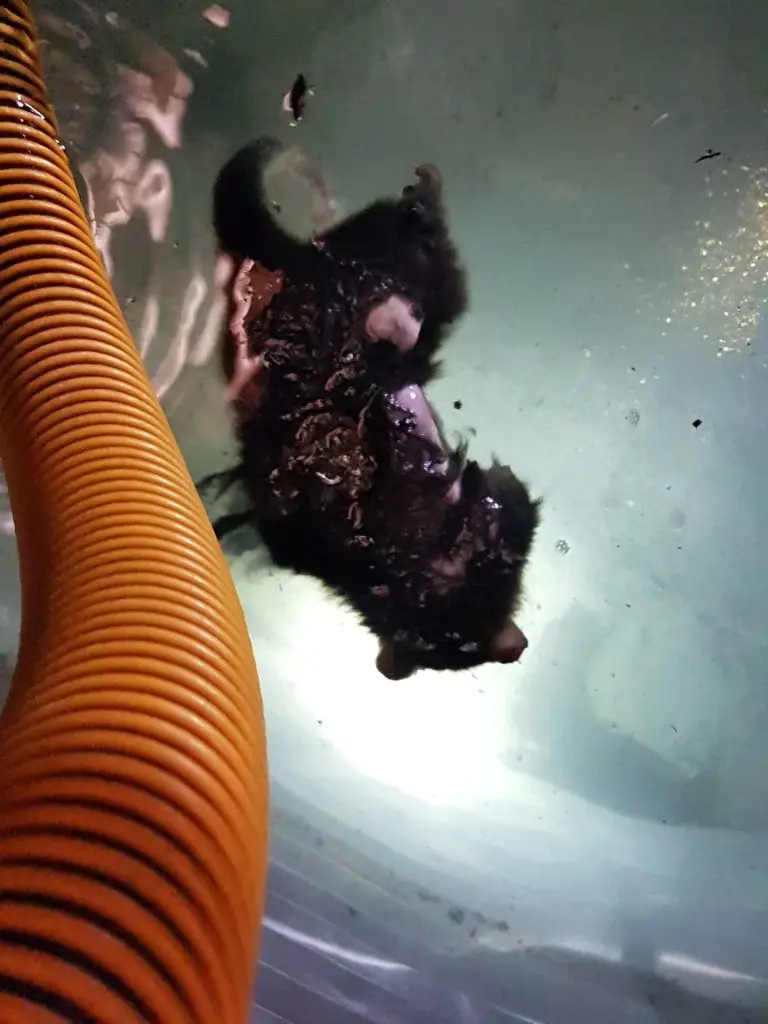
Regular maintenance of rainwater tanks is essential to ensure optimal functionality and longevity of the water harvesting system. By conducting routine inspections, cleaning, and disinfection, water quality within the tank can be preserved, safeguarding it against contaminants and microbial growth.
Proper maintenance also contributes to tank longevity by preventing corrosion, leaks, and other structural issues that could compromise its integrity over time. Regularly checking for debris, sediment buildup, and ensuring filters are clean and operational plays a crucial role in maintaining water quality and extending the lifespan of the tank.
Implementing a proactive maintenance schedule not only maximises the benefits of rainwater harvesting but also ensures a sustainable and efficient water supply for various non-potable purposes.
Effective Gutter and Downpipe Care
To maintain the efficiency and longevity of rainwater harvesting systems, ensuring effective care for gutters and downpipes is fundamental in preserving water quality and preventing system malfunctions.
Installing high-quality gutter meshing can minimise debris entry, and using gutter guards helps prevent clogs in downpipes, ensuring optimal water flow.
Regular maintenance of gutters is essential to optimise rainwater flow efficiency and prevent debris from washing into the water tank, thus extending the life of the rainwater system.
Mosquito and Pest Control Measures
Implementing effective mosquito and pest control measures is crucial for maintaining the integrity and cleanliness of rainwater stored in tanks. Pest prevention techniques are essential to ensure the water remains safe for use.
One key method is installing mosquito mesh over all tank inlets to prevent mosquito breeding and other pests from contaminating the water.
Regular inspections should be conducted to identify and seal any cracks or openings that could serve as entry points for animals, birds, or insects.
Roof and Debris Maintenance Tips
Consistent inspection and maintenance of roofs and gutters are essential for ensuring the longevity and efficiency of rainwater collection systems. Preventive maintenance and debris management play a crucial role in maximising the benefits of rainwater tanks.
Here are some practical tips to maintain your roof and manage debris effectively:
- Regularly clean gutters and downpipes to prevent clogs.
- Trim overhanging branches to reduce debris accumulation on the roof.
- Check for and repair any roof damage promptly to prevent debris entry.
- Install gutter guards or mesh to minimise debris buildup.
- Conduct periodic inspections to ensure proper water flow and prevent blockages.
Enhancing Rainwater Tank Performance
For optimising rainwater tank performance, thorough maintenance practices are essential to ensure efficient water collection and quality preservation. Regular filter maintenance is crucial in enhancing rainwater tank performance. Install high-quality filters and replace filter cartridges periodically to ensure effective filtration and prevent debris buildup.
Additionally, practicing water conservation is key to maximising the benefits of rainwater tanks. Use collected rainwater for non-potable purposes to reduce reliance on municipal water sources. By incorporating proper filter maintenance and emphasising water conservation practices, you can enhance the performance of your rainwater tank, prolong its lifespan, and contribute to sustainable water usage.
Prioritising these strategies will result in cleaner, high-quality water for various household needs.
Frequently Asked Questions
How Can I Prevent Algae Growth in My Rainwater Tank?
Prevent algae growth in rainwater tanks by regular cleaning with mild detergent, thorough rinsing, and disinfection using a chlorine solution. Incorporate UV light treatment or high-quality filters for water purification. Implement proper maintenance practices to ensure clean water supply.
What Should I Do if I Notice a Strange Odor in the Water?
When a strange odor is detected in your water, immediate action is crucial. Start with thorough tank cleaning to remove contaminants. Implement advanced water filtration methods to ensure water quality. Professional assistance may be necessary for comprehensive inspection and resolution.
How Often Should I Test the Water Quality in My Tank?
Regularly test your rainwater tank’s water quality at least twice a year to monitor pH levels and bacterial contamination. Additionally, check for sediment buildup to assess the effectiveness of filtration systems. Maintain a clean and healthy water supply.
Can I Use Rainwater for Watering My Garden During Droughts?
During drought gardening, utilising rainwater for garden irrigation is a sustainable practice. By integrating water conservation principles, such as collecting and storing rainwater, you can support your garden’s growth while minimising reliance on traditional water sources.
Is It Necessary to Have My Rainwater Tank Inspected Annually?
Regular annual rainwater tank inspections are crucial to detect leaks early and ensure optimal functionality. Tank cleaning frequency can vary based on usage and season, but inspections are a necessary preventive measure for sustained efficiency.
Conclusion
In conclusion, the diligent maintenance of rainwater tanks is imperative to optimise their functionality and sustainability. By implementing strategies such as regular inspections, gutter care, pest control, and roof maintenance, the quality of stored rainwater can be preserved, and the risk of contamination minimised.
By adhering to these maintenance practices, individuals can ensure the efficient and reliable supply of eco-friendly water for various purposes. It is essential to prioritise the maintenance of rainwater tanks to maximise their benefits and promote water conservation.