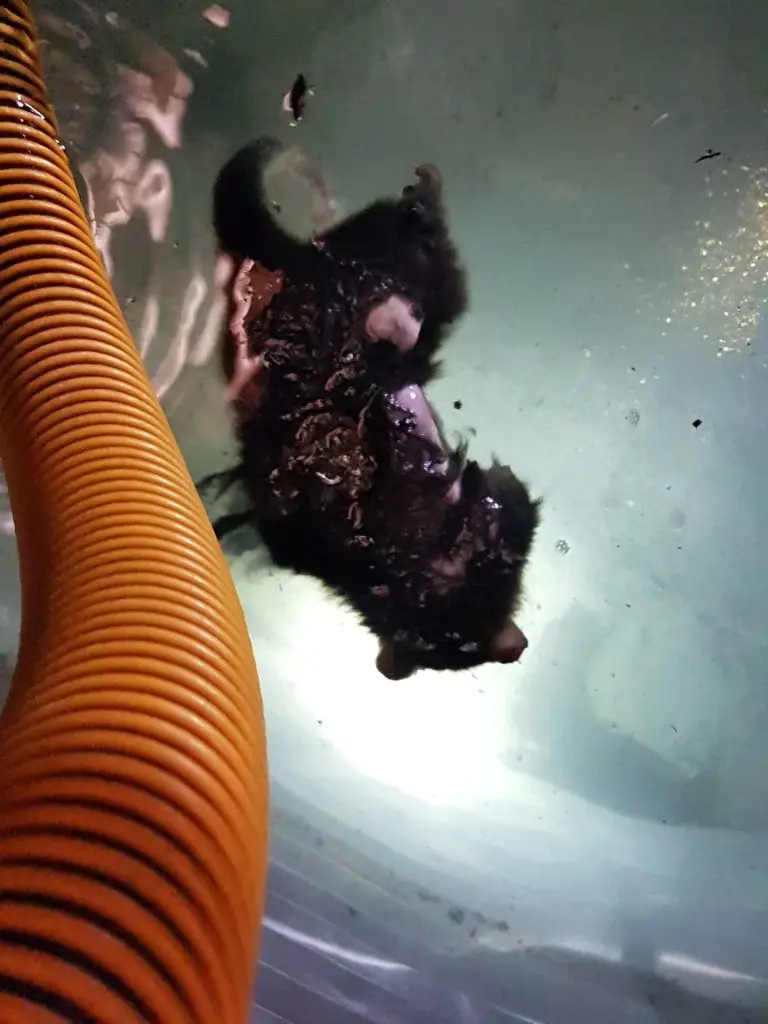


Ensuring the safety and purity of our water supply is paramount, and proper water tank cleaning plays a crucial role in achieving this goal. The cleanliness of water tanks directly impacts the quality of the water we consume, making regular maintenance imperative. However, the process of cleaning water tanks goes beyond just scrubbing surfaces. It involves a series of meticulous steps and specialized techniques that are essential for safeguarding public health. But how exactly does this meticulous cleaning process unfold, and what are the key factors to consider when embarking on this essential task? Let’s explore further.
Key Takeaways
- Thorough cleaning removes impurities and contaminants for safe water supply.
- Regular maintenance prevents sediment buildup and ensures water quality.
- Professional cleaning extends tank lifespan and reliability.
- Proper sanitation eliminates risks of bacterial growth and water contamination.
- Following industry standards ensures safe and efficient water storage.
Importance of Water Tank Cleaning
The significance of water tank cleaning cannot be overstated, as it plays a pivotal role in maintaining the quality, reliability, and safety of the water supply system. Water quality is directly impacted by tank maintenance, as regular cleaning ensures the elimination of impurities that could compromise the safety of the water supply.
Proper tank maintenance extends the lifespan of the tank by preventing sediment buildup and corrosion, which can affect water quality. Additionally, proactive cleaning measures help in the early detection and resolution of potential issues, ensuring the efficiency and reliability of the entire water storage system.
Therefore, maintaining water tanks through regular cleaning is crucial for sustaining a high standard of water quality and safety.
Benefits of Professional Cleaning
Professional water tank cleaning services offer unparalleled expertise and advanced equipment to ensure thorough sanitization and maintenance of tanks.
The cleaning efficiency of professional services guarantees the removal of impurities, sediment buildup, and potential contaminants, adhering strictly to sanitation standards.
By utilizing state-of-the-art equipment and following industry best practices, professional cleaners extend the lifespan of water tanks by preventing corrosion and ensuring optimal water quality.
Prioritizing clean and safe water supply, these services proactively address maintenance needs, enhancing the efficiency and reliability of the water storage system.
Ultimately, professional cleaning not only meets sanitation standards but also provides peace of mind knowing that the water supply is safe, pure, and free from harmful substances.
Signs That Cleaning Is Needed
Indications that cleaning may be necessary include changes in water taste or odor, visible algae or sediment, decreased water flow or pressure, and the presence of stagnant water or unusual sounds. These warning signs often signify a buildup of contaminants or organic matter within the water tank, compromising water quality and system efficiency.
Regular monitoring and adherence to cleaning frequency guidelines are essential to prevent these issues. Cleaning frequency varies depending on factors such as tank size, water usage, and environmental conditions. By promptly addressing these signs and following recommended cleaning schedules, the safety, purity, and longevity of the water supply system can be maintained, ensuring a continuous and reliable source of clean water.
Choosing a Reliable Cleaning Company
Selecting a reputable water tank cleaning company requires careful consideration of expertise, adherence to industry standards, customer feedback, pricing transparency, and available discounts.
When choosing a company, prioritize service quality by looking for experienced professionals who specialize in water tank cleaning. Verify that the company follows industry regulations to ensure the cleaning process is thorough and safe for water consumption.
Reading customer reviews can provide insight into the company’s track record and customer satisfaction. Transparent pricing structures are essential to avoid unexpected costs. Additionally, some companies may offer discounts or promotions, which can be beneficial for cost savings.
Prioritizing company selection based on service quality will ensure the effective and safe cleaning of your water tank.
Additional Cleaning Considerations
When addressing additional cleaning considerations for water tanks, it is crucial to focus on preventive measures to maintain water quality and system efficiency. Cleaning frequency plays a vital role in ensuring the longevity and effectiveness of the water tank.
Regular cleaning schedules should be established based on usage, environmental factors, and water quality standards. Moreover, implementing proper water treatment methods is essential to prevent bacterial growth, contamination, and sediment accumulation.
Water treatment procedures such as chlorination, UV disinfection, or filtration systems can significantly improve water quality and reduce the risk of health hazards. By incorporating these measures into the cleaning regimen, water tanks can uphold optimal performance, deliver safe water supply, and extend their lifespan.
Frequently Asked Questions
Can I Clean My Water Tank by Myself?
DIY cleaning involves risks like incomplete sanitization and safety hazards. Professional services offer thorough cleaning, advanced equipment, and expertise. Considering the complexity and importance of water quality, professional cleaning is a cost-effective option for ensuring safe water supply.
How Often Should Water Tanks Be Cleaned?
Regular water tank cleaning, typically every 6-12 months, is crucial to maintain water quality and tank efficiency. Professional cleaning offers thorough sanitization and detection of potential issues, surpassing DIY methods. Precautions include adherence to industry standards.
What Are the Risks of Not Cleaning My Water Tank?
Neglecting water tank cleaning poses serious health hazards due to water contamination. Risks include bacterial growth, algae formation, sediment accumulation, and corrosion, leading to compromised water quality. Regular maintenance is crucial to prevent these risks.
Are There Any Eco-Friendly Cleaning Options Available?
Exploring eco-friendly water tank cleaning options is essential for sustainable sanitation. Green cleaning alternatives prioritize environmental impact, utilizing sustainable practices and products. By considering sustainable sanitation options, one can contribute to a healthier ecosystem.
What Should I Do if I Notice a Leak in My Water Tank?
When a leak is detected in a water tank, prompt action is crucial. Ensure immediate leak detection and maintenance to prevent further damage. Professional repair services should be sought to address the issue efficiently and effectively.
Conclusion
In conclusion, proper water tank cleaning is essential for maintaining a safe and reliable water supply.
Just as a well-tended garden flourishes with regular care and attention, a water system benefits from thorough sanitization to prevent contamination and ensure optimal performance.
By choosing professional cleaning services and addressing maintenance needs promptly, individuals can enjoy a continuous flow of fresh, pure water, free from impurities and contaminants.