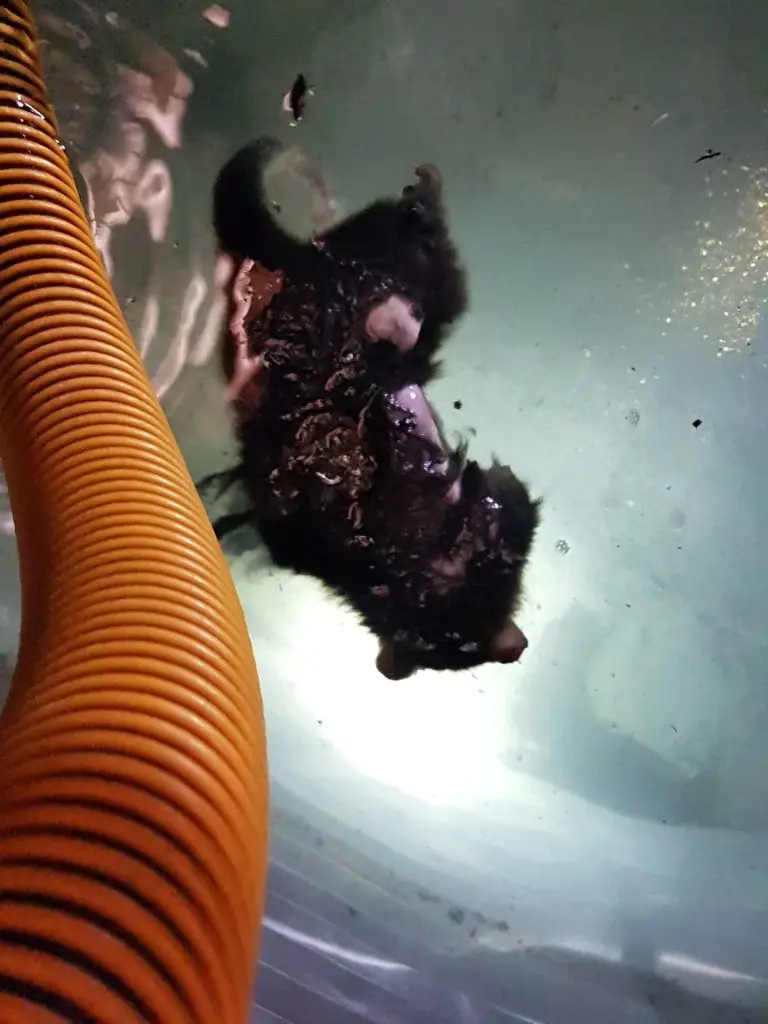


Ensuring that your family has access to clean and safe water is a fundamental aspect of maintaining a healthy household environment. However, the importance of regular cleaning and maintenance of water tanks often goes unnoticed. By understanding the critical role that clean water tanks play in safeguarding your family’s health, you can take proactive steps to mitigate potential risks and ensure a reliable water supply. Stay tuned to discover the essential practices and guidelines for maintaining clean water tanks to protect your loved ones effectively.
Key Takeaways
- Regular cleaning prevents health risks from contaminants.
- Clean water tanks reduce gastrointestinal infections and respiratory issues.
- Ensuring cleanliness extends tank lifespan and minimizes costs.
- Compliance with regulations ensures safe drinking water delivery.
- Maintenance enhances water quality, system efficiency, and family health.
Importance of Clean Water Tanks
Ensuring the cleanliness of water tanks is paramount for safeguarding public health and maintaining the integrity of water systems. Preventive measures such as regular cleaning and maintenance are essential for water quality assurance.
By proactively addressing potential contaminants, including bacteria, algae, and sediment buildup, the risk of waterborne diseases can be significantly reduced. Regular cleaning not only ensures safe drinking water but also extends the lifespan of the tank, minimizing maintenance costs in the long run.
Compliance with health regulations is also achieved through diligent tank maintenance. Overall, prioritizing the cleanliness of water tanks through preventive measures is crucial for protecting the health of individuals and maintaining the efficiency of water systems.
Health Risks of Unclean Water Tanks
The presence of contaminants in unclean water tanks poses a significant risk to public health and can result in a range of potentially serious health issues. Unclean water tanks can lead to gastrointestinal infections due to the proliferation of harmful bacteria and pathogens.
Moreover, stagnant water in neglected tanks creates an ideal environment for Legionella growth, increasing the risk of respiratory problems such as Legionnaires’ disease. Individuals with compromised immune systems are particularly vulnerable to the health risks associated with unclean water tanks.
Therefore, regular cleaning and maintenance of water tanks are crucial to prevent these health hazards and ensure the delivery of clean, safe water to households and communities.
Benefits of Regular Water Tank Cleaning
Regular maintenance of water tanks offers a multitude of advantages, enhancing water quality and system efficiency. By implementing regular water tank cleaning, you ensure cost-effective maintenance and improved water quality.
This practice not only prevents health risks associated with contaminated water but also contributes to an efficient water system. Through routine cleaning, you reduce the chances of leaks, saving money on repairs in the long run.
Additionally, the enhanced water quality leads to better overall system performance, providing clean and safe water for your family. Investing in regular water tank cleaning is a proactive approach to maintaining a healthy and functional water supply, promoting both financial savings and peace of mind.
Frequently Asked Questions
How Often Should Water Tanks Be Inspected for Maintenance?
Water tanks should be inspected for maintenance at least once a year by professionals to ensure optimal performance. DIY cleaning can be beneficial between inspections, with chemical-free options like vinegar and baking soda being effective choices for safe maintenance.
Are There Eco-Friendly Cleaning Solutions for Water Tanks?
When considering water tank maintenance, individuals can adopt eco-friendly practices by utilizing green alternatives like DIY vinegar solutions or sustainable cleaning products. These natural options not only promote environmental responsibility but also ensure water system cleanliness.
Can Water Tank Cleaning Remove Hard Water Stains?
Water tank cleaning can effectively remove hard water stains and buildup, enhancing water quality and maintenance. Professional services utilize specialized equipment and techniques to ensure thorough cleaning, eliminating contaminants and improving overall system performance.
What Is the Best Way to Prevent Algae Growth in Water Tanks?
To prevent algae growth in water tanks, employ proactive cleaning methods. Regular maintenance, including scrubbing tank walls, removing sediment, and utilizing algaecide treatments, effectively controls algae proliferation. Consistent upkeep is key to sustaining clean water supply.
Is It Necessary to Disinfect Water Tanks After Cleaning?
Disinfecting water tanks after cleaning is crucial. Effective disinfection methods eliminate health risks associated with bacteria buildup, ensuring safe water quality. Chlorination, UV sterilization, or ozone treatment are common methods to safeguard against contamination post-cleaning.
Conclusion
In conclusion, maintaining clean water tanks is crucial for ensuring the health and safety of your family. By adhering to a regular cleaning schedule, you can prevent waterborne diseases and contaminants from affecting your household.
Are you willing to compromise your family’s well-being by neglecting the cleanliness of your water tank? Prioritize their health by taking the necessary steps to keep your water tank clean and safe.