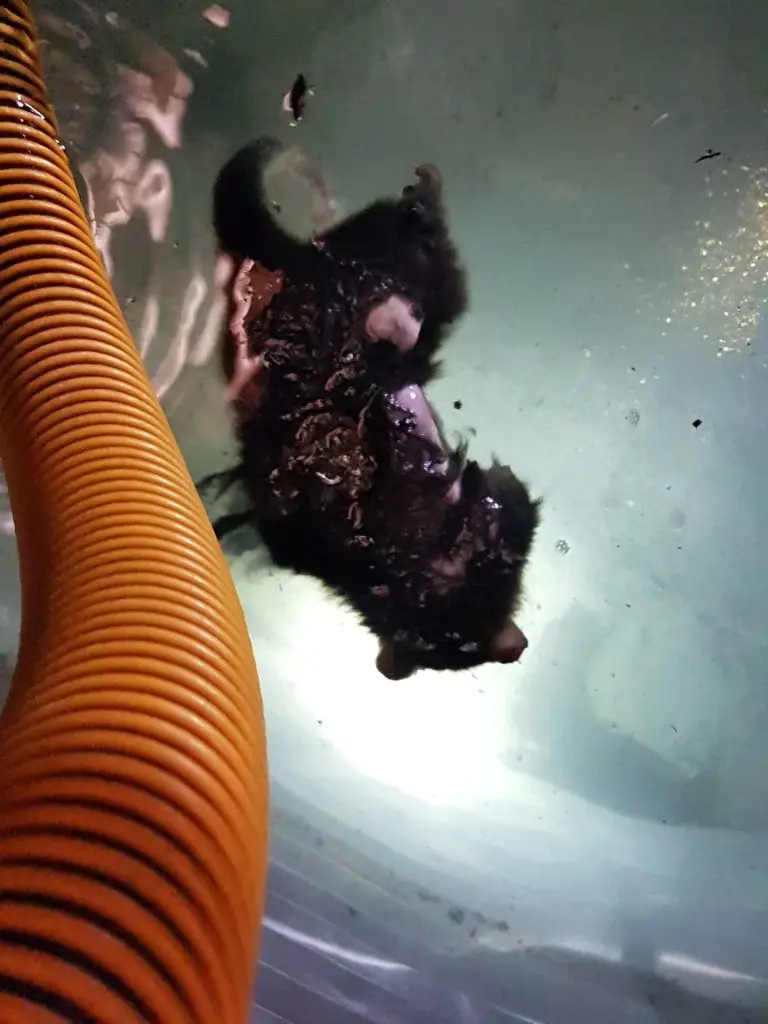


Rainwater tank maintenance is a critical responsibility for those who rely on harvested water for various purposes. The cleanliness of the tank plays a vital role in ensuring the water’s purity and safety for usage. However, merely cleaning the tank is not sufficient to maintain optimal water quality. There are other crucial aspects to consider, such as the materials used in the tank’s construction, the location of the tank, and the surrounding environment. By addressing these factors, you can ensure that your rainwater tank functions effectively and provides clean water for your needs.
Key Takeaways
- Regular cleaning prevents bacterial growth and maintains system efficiency.
- Inspect and repair mesh to prevent contamination and ensure water purity.
- Conduct water quality assessments regularly to detect contaminants and maintain safety.
- Choose food-grade, UV-resistant tank materials to preserve water quality.
- Place tanks away from pollution sources, shield from sunlight, and monitor surroundings for contamination risks.
Importance of Regular Cleaning
Regular cleaning is a fundamental aspect of rainwater tank maintenance, requiring meticulous attention to prevent debris accumulation and ensure optimal water quality. The benefits of regular cleaning include preventing contamination, reducing the risk of bacterial growth, and maintaining the efficiency of the system. Frequency plays a vital role in this process, with experts recommending cleaning rainwater tanks at least twice a year.
However, tanks located in areas with high debris accumulation may require more frequent cleaning to uphold water quality standards. By adhering to a consistent cleaning schedule, tank owners can prolong the lifespan of their system, avoid costly repairs, and safeguard the health of individuals who rely on the collected rainwater for various purposes.
Proper Mesh Maintenance
Maintaining proper mesh in rainwater tanks is imperative for preventing the entry of contaminants and ensuring a clean water supply. Regular mesh repair and insect prevention are essential to safeguard water quality. Proper maintenance of the mesh ensures that bugs and insects are kept out of the tank, preventing mosquito breeding and other potential sources of contamination. Ensuring the mesh is in good repair is crucial for maintaining the integrity of the rainwater collected. Below is a table summarizing the key points for proper mesh maintenance:
| Mesh Maintenance Tips | Importance |
|---|---|
| Regular Inspection | Prevents Contamination |
| Timely Repair | Ensures Water Purity |
| Insect Prevention | Protects Water Quality |
Essential Water Quality Checks
Conducting thorough water quality assessments is paramount for ensuring the safety and purity of the collected rainwater in your tank. Regular water testing is crucial to detect any potential contaminants that could compromise water quality.
Monitoring the color, smell, and sediment levels in the water can provide valuable insights into its cleanliness. Sediment analysis is particularly important as it can indicate the presence of impurities that may have entered the tank.
Addressing any issues promptly is essential to maintain water safety and ensure that the water remains suitable for various uses. By conducting routine water quality checks and sediment analysis, you can safeguard the quality of the water stored in your rainwater tank.
Frequently Asked Questions
How Often Should I Test My Rainwater for Contaminants?
Regularly monitoring contaminant levels in rainwater is crucial for ensuring water quality and safety. It is recommended to test for contaminants at least twice a year, or more frequently if there are concerns about the source or potential contamination.
Is It Necessary to Clean the Inside of the Tank?
Regular inspection of the inside of the tank is essential to identify sediment build-up and potential risks associated with neglecting maintenance. Cleaning the tank periodically ensures water quality, prevents contamination, and maintains system efficiency.
Can I Use Household Cleaning Products to Clean the Tank?
Using household cleaning products to clean a rainwater tank raises concerns about chemical contamination. Consider chemical alternatives or eco-friendly options to ensure water safety. Prioritize maintaining the tank’s cleanliness without compromising the quality of stored water.
How Do I Know if My Rainwater Tank Needs to Be Desludged?
Determining the need for desludging involves monitoring sludge buildup signs like reduced water flow, murky water, or foul odors. Tanks typically require desludging every 2 years to maintain water quality and prevent contamination.
What Should I Do if I Find Cracks in My Rainwater Tank?
When cracks are detected in a rainwater tank, immediate action is vital. Repair cracks promptly to prevent contamination and water loss. If cracks are extensive, a replacement may be necessary to maintain water quality and tank integrity.
Conclusion
In the intricate dance of rainwater tank maintenance, cleanliness is the key conductor orchestrating harmony. Like a vigilant guardian, regular cleaning and mesh maintenance shield the water’s purity from the lurking shadows of contamination.
Water quality checks stand as sentinels, vigilant and unwavering, ensuring the sanctity of the water supply. Together, these meticulous tasks weave a tapestry of protection, safeguarding the precious liquid life force within the tank.