
Ensuring the proper sanitisation of water tanks is a fundamental aspect of maintaining good health and preventing waterborne illnesses. The potential risks posed by untreated water contaminated with harmful microorganisms underscore the importance of implementing effective sanitisation practices. By exploring various methods of water tank sanitising and understanding the benefits of clean water sources, individuals can take proactive steps towards safeguarding their health and well-being. However, the intricacies of this process and the critical role it plays in promoting a healthier living environment are worth further consideration.
Key Takeaways
- Prevents contamination by harmful pathogens, safeguarding against health risks.
- Ensures safe water consumption, reducing gastrointestinal illnesses.
- Essential for preventing vector-borne diseases like malaria from mosquitoes.
- Regular sanitisation prevents diarrhoea, vomiting, and infections.
- Contributes to improved health outcomes by providing safe drinking water.
Importance of Water Tank Sanitising
Water tank sanitising is a critical practice necessary for maintaining water quality and safeguarding against potential health risks associated with untreated water consumption. Implementing preventive measures such as regular sanitisation helps prevent contamination from pathogens, ensuring safe water for various purposes.
By sanitising water tanks, individuals can benefit from improved health outcomes and reduce the risks of illness linked to consuming untreated water. Moreover, clean water tanks contribute to the overall well-being of individuals by providing a safe water source.
Emphasising the importance of water tank sanitising not only ensures the safety of water for consumption but also promotes a healthier environment, highlighting the significant health benefits associated with this essential practice.
Risks of Untreated Water
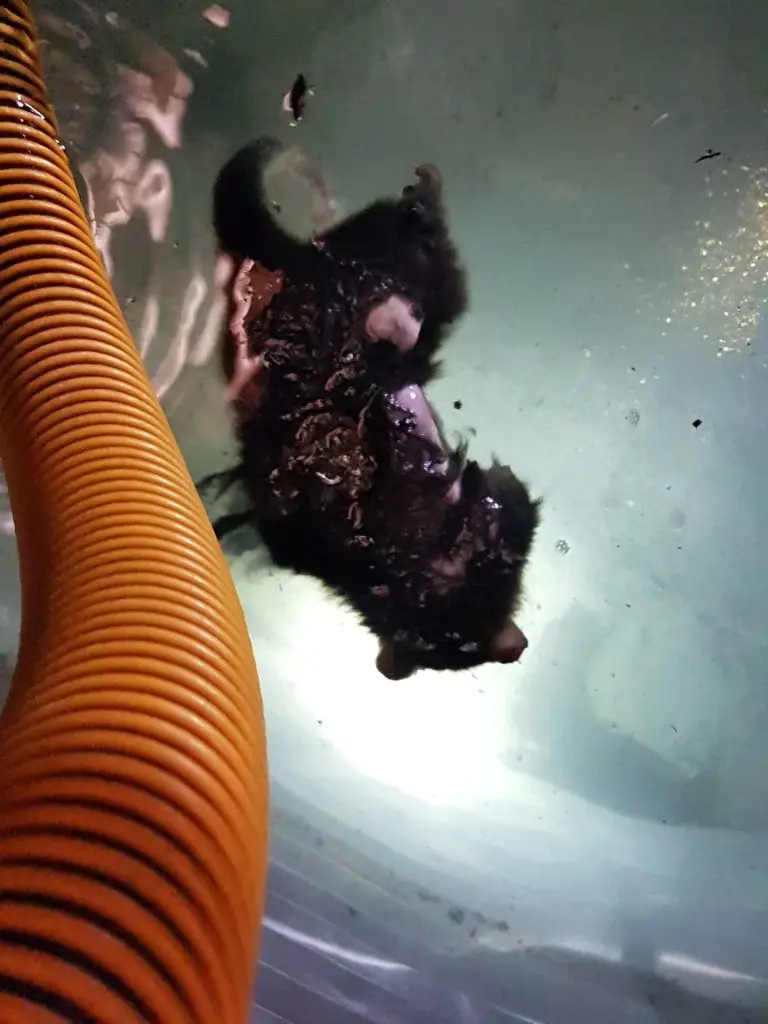
Untreated water poses significant health risks due to its potential as a breeding ground for pathogens and contamination from external sources such as animal droppings and dead animals.
- Potential contamination: Untreated water can harbour harmful bacteria and viruses, leading to waterborne diseases.
- Health hazards: Drinking untreated water increases the risk of gastrointestinal illnesses and other health issues.
- Risk of mosquito breeding: Stagnant untreated water can attract mosquitoes, increasing the likelihood of vector-borne diseases.
- Illness from consumption: Ingesting untreated water can cause diarrhoea, vomiting, and other infections.
- Crucial sanitisation needed: Regular cleaning and treatment of water tanks are essential to mitigate these risks and ensure safe water consumption.
Methods of Water Tank Sanitising
Effective sanitation methods play a crucial role in maintaining the quality and safety of stored water in tanks. Two commonly used methods for water tank sanitisation are UV sterilisation and chlorine treatment.
| Method | Description |
|---|---|
| UV Sterilisation | Uses ultraviolet light to kill pathogens and microorganisms present in water. Effective for new tank installations. |
| Chlorine Treatment | Involves adding chlorine to water to eliminate bacteria, viruses, and other harmful contaminants. Ideal for sanitising existing tank contents. |
These methods are essential for ensuring that water stored in tanks is free from harmful microorganisms and safe for consumption. Regular use of UV sterilisation or chlorine treatment, along with proper tank maintenance, is crucial for safeguarding the health of individuals relying on stored water.
Benefits of Boiling Water
Boiling water is a cost-effective purification method that is easily accessible for home water treatment. It efficiently kills harmful bacteria and viruses, ensuring the safety of the water consumed.
This simple and easy-to-implement technique can be carried out at home using a kettle, making it a convenient option for households.
Additionally, boiled water can be stored in containers for later use, providing a continuous supply of safe drinking water.
Importance of Clean Roof and Tank
Maintaining a clean roof and tank is a fundamental aspect of ensuring the quality and safety of stored water for various purposes. Preventive maintenance of the roof and tank is essential to prevent external contaminants from compromising the water quality.
Regular cleaning helps in reducing health risks associated with the presence of dirt, debris, or other pollutants that could potentially enter the water storage system. By keeping the roof and tank clean, the risk of contamination from sources like animal droppings, dust, or other external elements is minimised, ensuring that the stored water remains safe for consumption.
Professional cleaning services can provide thorough sanitisation, contributing to the longevity of the water tank and the overall well-being of individuals relying on the water supply.
Frequently Asked Questions
Can I Use Regular Household Cleaning Products to Sanitise My Water Tank?
While regular household cleaning products may seem convenient, they are not recommended for water tank sanitisation. Instead, consider natural alternatives or DIY solutions for safety. Professional services and specialised products offer more effective and safe sanitisation methods.
How Often Should I Clean My Roof to Maintain Water Quality?
An ancient proverb reminds us, “A stitch in time saves nine.” Regular roof maintenance is paramount for water quality. Debris can contaminate tanks, leading to health risks. Cleaning every 6-12 months is recommended for optimal results.
Is It Safe to Drink Rainwater Without Sanitising the Water Tank?
Drinking untreated rainwater poses health risks due to potential contamination. Sanitising the water tank is crucial to ensure rainwater quality by preventing pathogens. Regular cleaning and professional services are recommended for safe consumption and overall well-being.
Can I Use Bleach for Water Tank Sanitisation if I Don’t Have Chlorine Tablets?
While chlorine tablets are recommended, bleach can serve as an alternative for water tank sanitisation. However, caution is advised due to potential health risks from chemical exposure. Consult professional services for safe DIY solutions.
Are There Any Eco-Friendly Methods for Water Tank Sanitisation Available?
Exploring eco-friendly methods for water tank sanitisation is crucial. Consider green alternatives like vinegar or hydrogen peroxide. These environmentally friendly options offer sustainable solutions, providing natural remedies without harmful chemicals. Prioritise the health of both individuals and the environment.
Conclusion
In conclusion, the meticulous sanitisation of water tanks plays a vital role in safeguarding public health by preventing the proliferation of harmful pathogens.
Through the implementation of effective sanitisation methods and maintenance practices, the risk of waterborne illnesses can be significantly reduced, ensuring the provision of clean and safe water for consumption.
It is imperative to acknowledge the critical importance of water tank sanitising in promoting overall well-being and health outcomes.