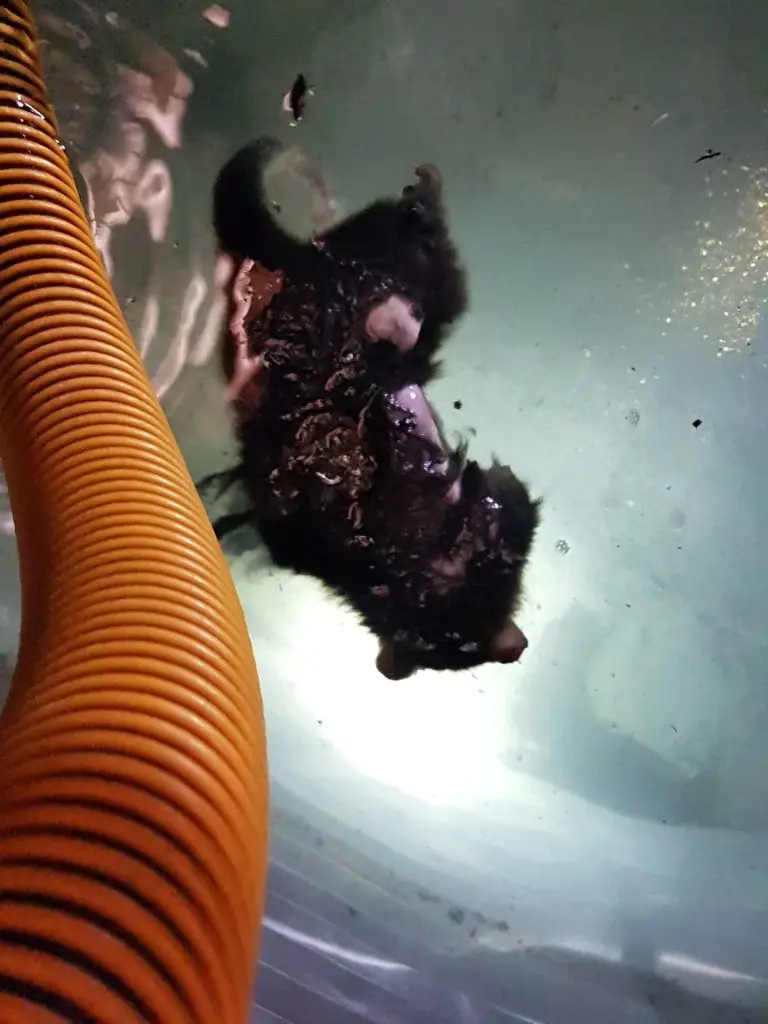


Understanding the significance of maintaining a clean water tank is paramount for every homeowner. It goes beyond mere upkeep; it is a crucial aspect of ensuring the well-being of your household. By exploring the contents of our guide, you will uncover essential insights that can revolutionise the way you approach water tank maintenance. Stay tuned as we navigate through the intricacies of this vital task, shedding light on key practices that can have a profound impact on the quality of water in your home.
Key Takeaways
- Regular cleaning ensures safe, quality water.
- DIY cleaning: drain, scrub, rinse, disinfect yearly.
- Consider professional services for expertise and thorough cleaning.
- Prevent health risks, extend tank lifespan, and save costs.
- Share guide on social media for awareness and water conservation.
Importance of Water Tank Cleaning
Regular cleaning of water tanks is paramount for ensuring the safety and quality of stored water. Health benefits are derived from removing organic matter and contaminants that accumulate over time, preventing health risks and ensuring water free from impurities.
This maintenance routine not only safeguards water quality but also has environmental impact by promoting a healthier and more sustainable environment. Additionally, cost savings are achieved through the prevention of water loss due to blockages and the extension of the water tank’s lifespan.
Implementing a regular cleaning schedule helps maintain optimal water quality, prevents sediment build-up, and maximises the functionality of water filters, making it a crucial aspect of water tank maintenance.
Steps for DIY Tank Cleaning
Periodically conducting thorough DIY tank cleaning is essential for ensuring the quality and safety of stored water. To maintain your water tank effectively, adhere to a regular maintenance schedule.
Begin by draining the tank completely to eliminate sediment and debris buildup. Next, scrub the interior surfaces meticulously to remove any accumulated residue. Rinse the tank thoroughly to eliminate any traces of cleaning agents. Disinfect the tank using appropriate solutions to eradicate remaining bacteria and ensure water purity.
Consider implementing these DIY cleaning tips at least once a year to uphold optimal water quality. By following a consistent maintenance routine, you can prevent health risks, prolong the lifespan of your tank, and maintain water quality for a healthier environment.
Benefits of Professional Cleaning Services
To ensure thorough maintenance and optimal water quality, professional cleaning services provide a comprehensive solution tailored to the specific needs of water tank owners.
When considering the benefits of professional cleaning services, a cost comparison between DIY and professional services is essential. While DIY cleaning may seem cost-effective initially, professional services offer expertise, state-of-the-art equipment, and thorough inspection for efficient cleaning.
Professional cleaners can effectively remove contaminants, implement preventive measures, and ensure optimal water quality and safety. Choosing professional services over DIY options can result in a higher level of cleanliness, extended lifespan of the water tank, and maintained efficiency of water filters.
The investment in professional cleaning services often pays off in the long run with improved water quality and peace of mind for the tank owner.
Key FAQs on Water Tank Cleaning
What are the recommended cleaning frequencies for water tanks to maintain optimal water quality and safety standards?
Regular cleaning is crucial for ensuring clean water free from impurities. Here are key FAQs on water tank cleaning:
- DIY vs Professional:
While DIY cleaning can be done, professional services are recommended for thorough cleaning. - Frequency Recommendations:
The recommended cleaning frequency is at least once a year to prevent scale, corrosion, and maintain efficiency. - Disinfection:
After cleaning, disinfection is necessary to eradicate harmful microorganisms. - Minimal Disruption:
Professional services aim to minimise disruption to the water supply during the cleaning process.
Sharing and Additional Resources
For individuals seeking to further educate themselves on water tank maintenance and cleaning practices, sharing this comprehensive guide on social media platforms can help raise awareness and promote the importance of regular tank cleaning for safe and clean water consumption.
By spreading the knowledge on water conservation and environmental impact, individuals can understand the significance of maintaining clean water tanks to reduce water wastage and promote a sustainable environment.
Additionally, sharing cost-saving tips and maintenance advice can help individuals save money in the long run by preventing the need for costly repairs or replacements.
Together, we can work towards a cleaner, healthier, and more efficient water management system for all.
Frequently Asked Questions
Can I Use Household Cleaners to Clean My Water Tank?
Household cleaners may contain harmful residues, compromising water safety. Instead, opt for chemical-free solutions or DIY techniques to clean your water tank. Consider alternative methods like vinegar or baking soda for effective and safe cleaning.
How Long Does the Disinfection Process After Cleaning Take?
Disinfection post cleaning typically takes 4-6 hours to ensure eradication of harmful microorganisms. Swift disinfection is crucial to prevent health risks from contaminated water sources. Adhering to recommended timelines safeguards water quality and promotes wellness.
Are There Any Eco-Friendly Cleaning Options for Water Tanks?
There are eco-friendly cleaning options for water tanks, including green alternatives and sustainable methods. These solutions prioritise environmental consciousness by utilising biodegradable cleaners, natural disinfectants, and eco-conscious practices to ensure safe, clean water.
Is It Safe to Drink Water Immediately After Tank Cleaning?
After tank cleaning, it’s generally safe to drink water once the tank is refilled and flushed thoroughly to remove any traces of cleaning agents. However, for optimal water quality and to address health concerns, consider disinfecting the tank before consuming water.
What Are the Signs That Indicate a Water Tank Needs Cleaning?
Water quality concerns arise when water exhibits unusual odors or discoloration, signaling sediment buildup and contamination. Regular inspection for these indicators prompts timely cleaning, ensuring safe and clean water supply. Professional services help maintain optimal water quality.
Conclusion
In conclusion, maintaining a clean water tank is essential for the safety, health, and sustainability of your home. By following the steps outlined in this guide and considering professional cleaning services, you can ensure optimal water quality and prevent potential health risks.
Remember, a stitch in time saves nine – taking proactive steps now will save you from larger problems in the future. Stay informed and committed to promoting water conservation for a cleaner, healthier environment.